The scene is a traditional Dim Sum ‘Cha Lou’ or Chinese teahouse, alive with chatter and vibrant retro music. Thirty seniors gather around tables draped in pink tablecloths. Volunteers dressed up as waitresses incheongsamsglide between the tables, pushing trolleys topped with bamboo baskets ofdim sumfavourites such assiu mai(pork and shrimp dumplings) andhar gow(shrimp dumplings). Local delights chicken rice,tang yuan(glutinous rice balls), and pandan cake soon follow. At each table, the attentive volunteers stand ready to refill cups with each senior’s preferred tea.
Welcome to the “Sensory Restaurant on Wheels” – an experiential and innovative social programme that aims to infuse reminiscence and cognitive simulation into soft meal dining for seniors with dysphagia (swallowing difficulties). On 21 October 2024, ‘the restaurant’ rolled into MWS Bethany Nursing Home (BNH) – Choa Chu Kang, where the residents, many wheelchair-bound, have been gathered for an immersive sensory journey.
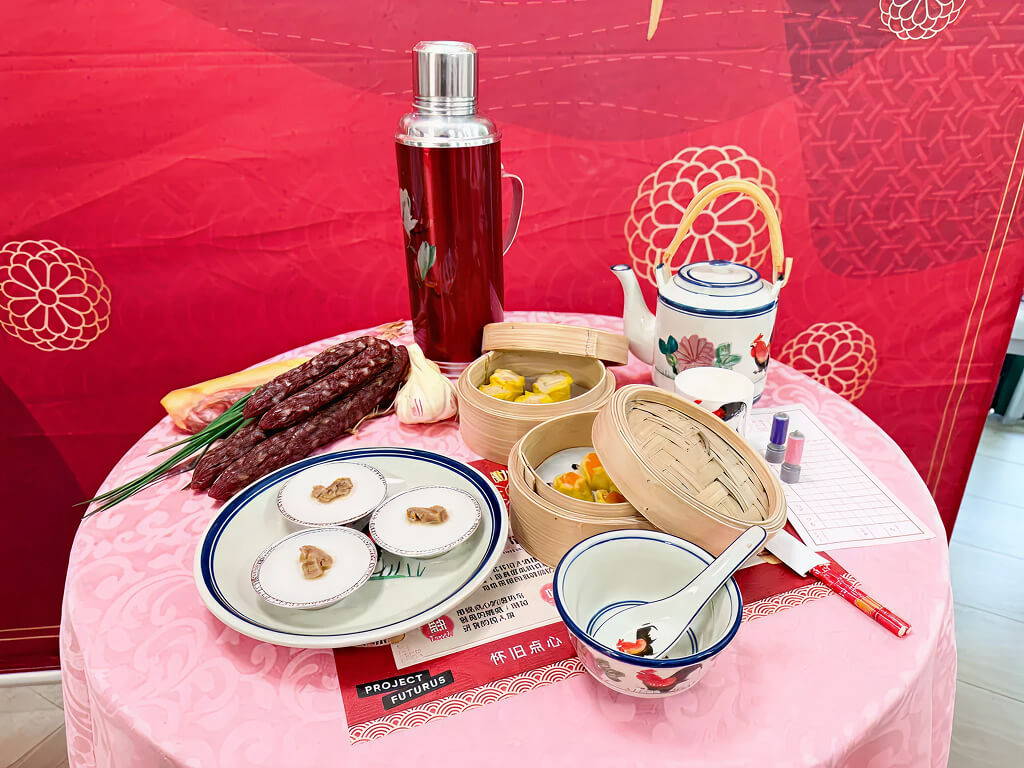
A display of the soft-textured food created by The Project Futurus
This project was a collaborative effort inked by the MWS’ Research, Innovation & Training Academy with the Singapore University of Social Sciences (SUSS) and Hong Kong social enterprise, The Project Futurus. With sector capability building as an end goal, MWS hosted a training session in the morning for staff and external healthcare partners to understand the process of using medically-graded care meals to benefit seniors diagnosed with dysphagia and to create a thematic Sensory Restaurant on Wheels experience for the MWS BNH residents.
Queenie Man, founder of The Project Futurus, said the initiative aims to enhance seniors’ well-being by fostering social connection through food and restoring dignity to dining, ensuring an inclusive experience for all, including those with swallowing difficulties.
“Dignity dining is about empowering individuals to make their own choices – selecting their tea, enjoying their favourite foods, and eating at their own pace,” she said. “True person-centric care respects these choices, shifting decision-making from operators to seniors.”
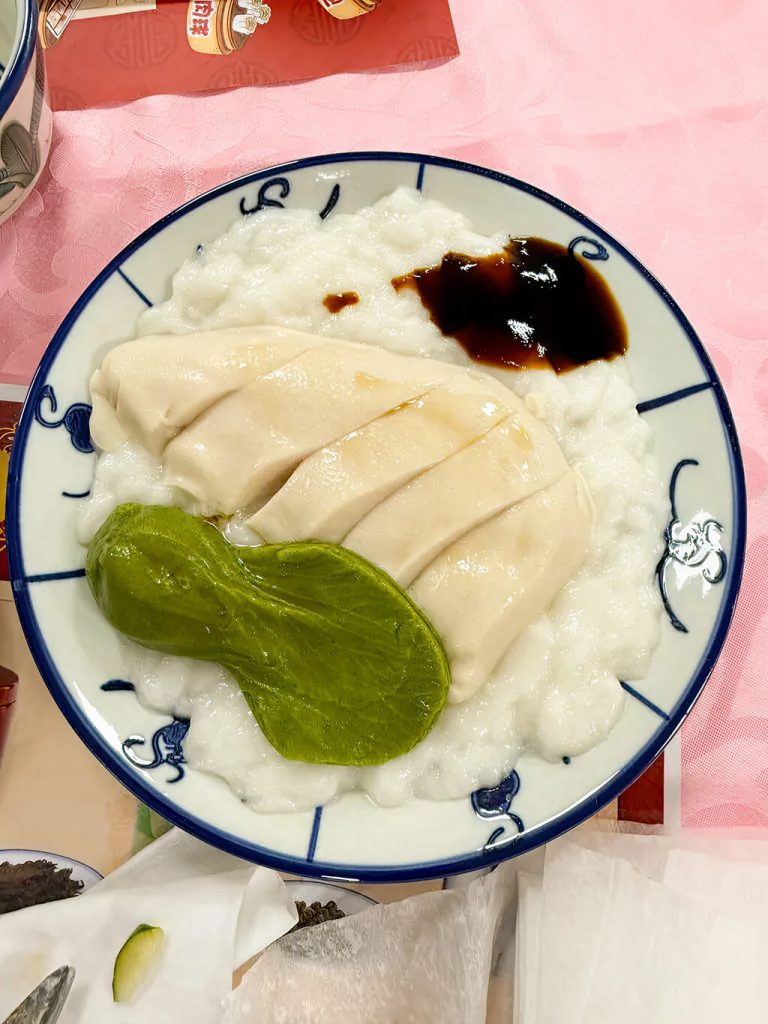
The soft-textured Hainanese chicken rice was a hit among the diners
Dr Raymond Leong, Group Director of Healthcare Services at MWS, said the event provided a meaningful and enjoyable experience for the elderly.
“The activities included specially prepared snacks, along with songs and dances, to evoke fond memories,” he said. “Soft foods are especially helpful for the elderly with swallowing difficulties, as they help prevent choking incidents.”
For 68-year-old Mdm Hwang Su Ling (not her real name), a resident of MWS BNH, the experience was a happy trip down memory lane. “My husband and I used to go to Chinatown fordim sumandtang yuan, so this event brought back those fond memories. I’m happy to be able to enjoydim sumagain,” she said. “The food was delicious, and I enjoyed dining with the other residents, just like a family.”
MWS’ involvement in this innovative project presents an experiential learning opportunity for staff to explore serving soft food with ambience-setting that promotes dignity dining. The initiative aligns with our person-centric care model in respecting residents’ choices and enriching their quality of life through enjoyable meals and increased social connectivity.
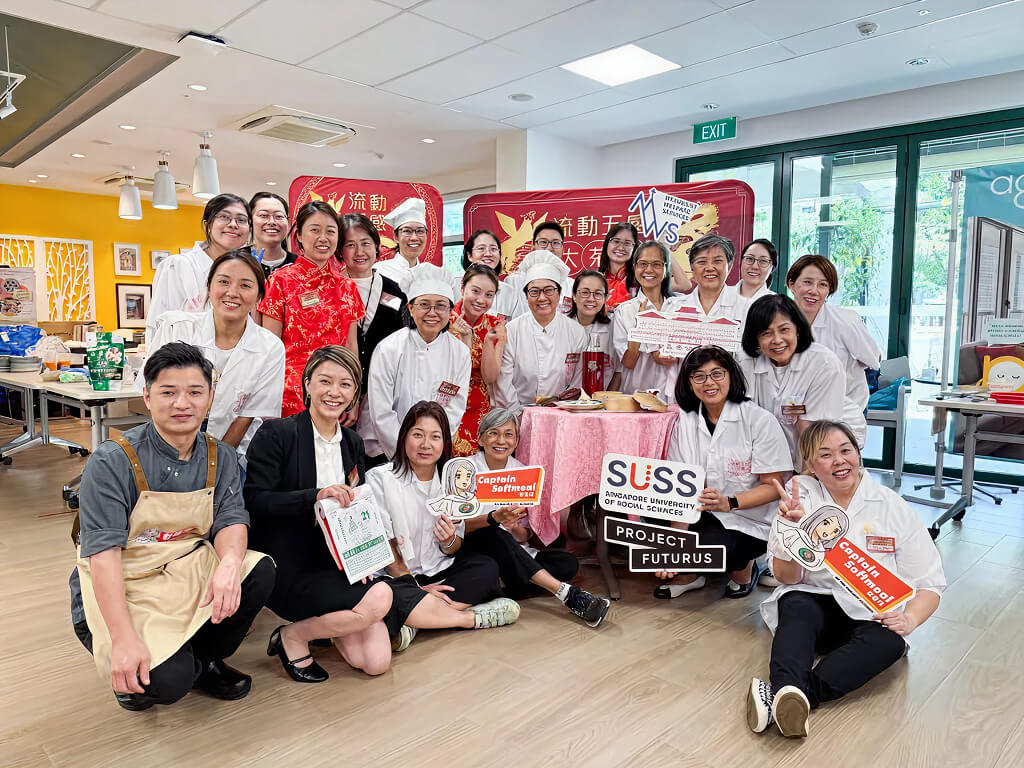
The pilot run was a collaboration between the Singapore University of Social Sciences and The Project Futurus